Passau sits on the confluence of the Danube, the Inn and the Ilz, so it is fitting that it is known as "the Dreiflüssestadt", which means the “City of Three Rivers.” The historical center offers a cathedral, churches and museums to explore, and the embankment is perfect for a romantic stroll.
This cultural capital and university city holds more than 2,000 years of history and is the cultural hub of Germany. Marvel at the gorgeous twin-spired Cologne Cathedral, known for its gilded medieval reliquary and sweeping river views, or lose yourself in one of Colonge's many museums for a few hours. Cologne boasts of having most pubs per person in Germany, so make sure you sit down for a refreshing regional Kölsch beer during your travels!
Regensburg, Germany’s medieval gem, will transport you to a bygone era. The site of both Celtic and Roman settlements, Regensburg flourished in the Middle Ages.
Nuremberg is Bavaria’s second-largest city and for centuries was the undeclared capital of the Holy Roman Empire. There is plenty to do and see, starting with picturesque charm of the Old Town, situated at the foot of the Kaiserburg.
Raise a glass and toast Würzburg, an enchanting, Franconian wine-producing area on the Main River, and one of Germany's oldest cities. Wine bars and cellars abound here, but there's also plenty of wonderful history and striking Baroque and rococo architecture to behold.
This quaint town on the Rhine is the gateway to the Black Forest and lies halfway between Freiburg and Colmar. As you walk the cobblestone streets, stop to sample local schnapps made from fermented pears or cherries and the distinctive smoky ham of this region. St. Stephan's Cathedral perches on a hillside and is the exquisite centerpiece of the town.
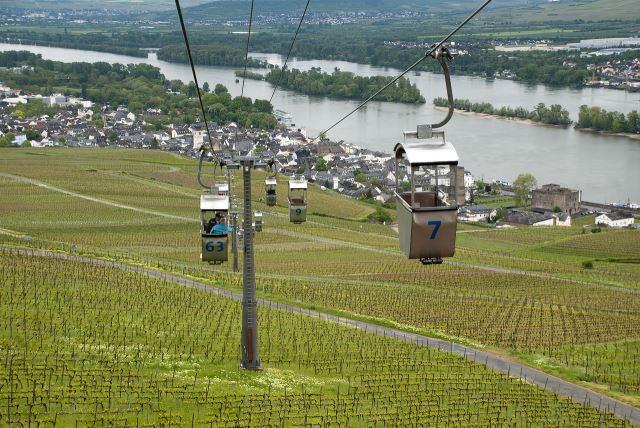
This city in the Rhine Gorge is known for its winemaking, dramatic landscapes and 15-minute cable car ride to the Niederwald Monument (celebrating the German victory over France in 1871).
Bamberg, located in northern Bavaria, stands out for its remarkably preserved medieval layout, which earned it a spot on the UNESCO World Heritage list. Built on seven hills and often compared to Rome for that reason, the city’s architecture reflects over a thousand years of uninterrupted development. Bamberg is well known for its beer, and not just in the usual Bavarian sense. The city has more breweries per capita than any other town in Germany, and it’s the birthplace of rauchbier.
This 2,000-year-old city, where the Teutonic Order founded one of its first commanderies in the 13th century, lies on the convergence of the Moselle and Rhine Rivers. Hop on a cable car, one of the city's most popular attractions, for stunning city-wide views, or cruise down the Rhine to spot some of Koblenz's magnificent fortresses and castles, including the Ehrenbreitstein Fortress and Schloss Stolzenfels.
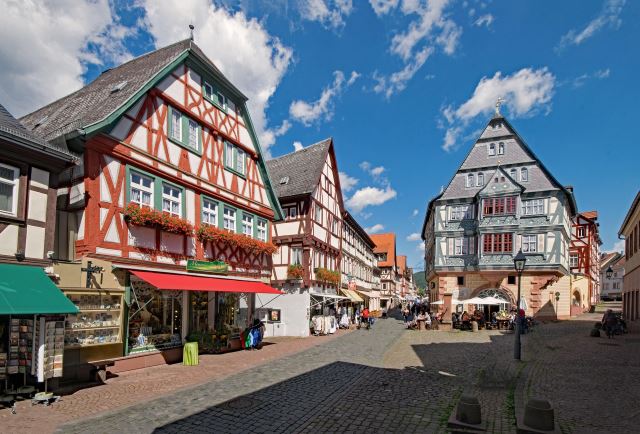
Set along a gentle curve of the Main River in Bavaria, the town of Miltenberg presents a streetscape that feels carefully preserved rather than rebuilt. Rows of half-timbered houses line a single main street, their wooden beams and painted facades forming one of the most photographed scenes in Germany. The old market square, known as the Schnatterloch, draws attention with its sandstone fountain and tightly packed historic buildings, creating a setting that has remained largely unchanged.
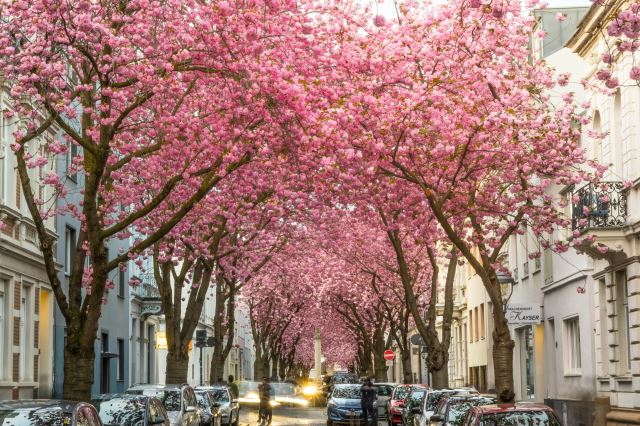
Two thousand years have left their mark in Bonn, tracing its development from a Roman camp into the settlement known as "Villa Basilica," and on through the Baroque era's Electoral Palace, which today houses the University.
Berlin has an undeniable history. The horrors of World War II, division, reunification, revolution all profoundly impacted the city in the 20th century. Today, visitors will find a sophisticated, high-energy city with endless cultural, architectural and gastronomic attractions.